
Selling a Home in Berkeley 2026: BESO, Taxes, and Timing
July 9, 2026
July 9, 2026
Most sellers focus on staging, list price, and offer date. In Berkeley this year, two municipal rules will move your net number more than any of those decisions. One is a transfer tax with a cliff at $1.7 million that punishes the wrong side of a rounding error. The other is an emissions ordinance that, as of January 1, quietly reclassified the Home Energy Score from a disclosure item to a listing prerequisite.
Both rules were on the books before 2026. What changed is that they now have teeth, and they interact with Berkeley's list-low pricing convention in ways that reward sellers who plan sixty to ninety days out rather than at the offer table.
Berkeley's real property transfer tax is structured in two tiers. The rate is 1.5% for properties up to $1.7M and 2.5% for properties over $1.7M. The trap is that the higher rate applies to the entire sale price, not to the portion above the threshold.
| Sale price | City transfer tax | Effective rate |
|---|---|---|
| $1,650,000 | $24,750 | 1.5% |
| $1,700,000 | $25,500 | 1.5% |
| $1,750,000 | $43,750 | 2.5% |
| $2,000,000 | $50,000 | 2.5% |
A property that sells for $1.7M will owe $25,500 in transfer tax to the City of Berkeley. A property that sells for $2M will owe $50,000. The jump from $1.7M to $1.75M costs about $18,250 in additional city tax on $50,000 of additional price. That is a marginal rate of roughly 37% across the cliff.
Berkeley's listing convention pushes final prices well above asking. Local practitioners report that in early 2026, the typical single-family sale closed at roughly 127% of list, with the vast majority of homes selling above asking. If your target sale price is anywhere in the $1.6M to $1.9M window, your list price is not just a marketing lever. It is the input into a tax calculation that shifts by tens of thousands of dollars depending on where the winning bid lands.
By local custom the city tax is split between buyer and seller, though who pays is negotiable in the contract. On a $2M sale that is roughly $25,000 attributable to each side, a number worth putting in front of buyers explicitly when their agent is modeling a stretch offer.
Also worth pricing in for future planning: Measure W, approved by Berkeley voters in November 2024, takes effect January 1, 2027, setting the transfer tax at 2.5% for properties valued $1.6M or higher, and increasing the rate from 2.5% to 3% for properties valued $1.9M or higher and from 3% to 3.5% for properties valued $3.0M or higher. Sellers weighing a 2026 versus 2027 timeline should model both years at both tiers.
Berkeley's Building Emissions Saving Ordinance used to be a soft-touch program. An assessment, a score, a set of recommendations, and no obligation to act. As of this year, that is over for one to two unit residential sellers.
Berkeley sellers of 1–2 unit homes must obtain a Home Energy Score before listing as of January 1, 2026. You need 6 credits from an approved upgrade list, or defer upgrades to the buyer with a $5,000 deposit. A single heat pump water heater or heat pump HVAC earns all 6 credits on its own. Upgrades completed in the past 5 years already count, so you may already be compliant. Missing the Home Energy Score before listing triggers a $500 fee.
The MLS piece is not optional. For applicable Berkeley properties, the seller and listing agent must obtain a Home Energy Score, include the Home Energy Score in the MLS Public Remarks, and failure to do so results in a $500 non-compliance fee assessed by the City of Berkeley to the seller. That means the score you receive, on a scale of one to ten, is now published in the first paragraph of your listing.
Three practical paths to closing:
The deferral math is worth sitting with. The $5,000 is not a cap on the buyer's spend. It is a performance bond. A buyer who installs a qualifying heat pump water heater for less than the deposit and files documentation recovers the full $5,000. A buyer who does nothing forfeits the deposit. That creates a real incentive for buyers to act, but it also means the deferral is not a costless option for either side. It is a negotiation input.
The full ordinance text and the current credit menu live on the City of Berkeley BESO page. Not every property is in scope. BESO does not apply to condominiums, ADUs, buildings under 850 sq ft, historic structures, or industrial or scientific buildings.
Berkeley offers a partial refund of the city transfer tax for seismic and home-hardening work, and it is genuinely underused.
Sellers or buyers of residential or mixed-use buildings with at least two residential units may qualify for a real estate transfer tax rebate by completing voluntary seismic upgrades or permanent home-hardening upgrades. The total rebate for any combination of voluntary seismic upgrades and home-hardening improvements is up to 1/3 of the base 1.5% transfer tax.
On a $1.7M sale, one-third of the base tax is roughly $8,500. The rebate applies to the base rate only, not the enhanced portion above the threshold, and the permit needs to carry specific language tying the work to the transfer tax reduction. A buyer can complete the qualifying work within a year of closing, which turns the rebate into a negotiation tool as well as a pre-sale project. Details and the current application process are on the City of Berkeley transfer tax page.
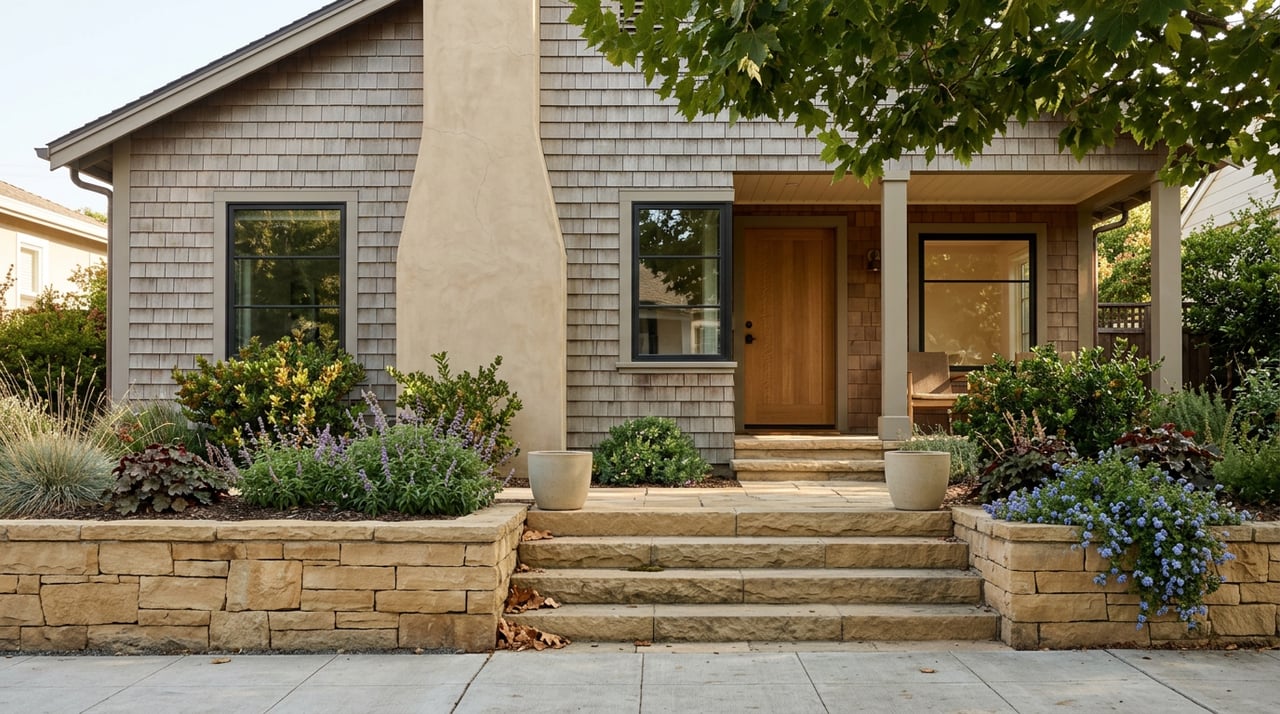
For an older Brown Shingle, a Craftsman with the original cripple walls, or any 1930s house with a raised foundation, the seismic path is often the highest-return prep dollar you can spend. It hardens the house, expands the insurance-eligible buyer pool, and cuts the tax bill.
The old Berkeley listing arc was roughly six weeks: paint, stage, pre-sale inspections, disclosures, photos, launch. The 2026 arc is longer at the front.
The Home Energy Score has to be in hand before the MLS goes live, and if you are pursuing the pre-sale upgrade path or the seismic rebate, permitting and inspection are on the critical path. Contractor availability is the constraint. The Berkeley market saw a surge of demand as the January deadline approached, and lead times for licensed electricians and heat pump installers have not fully normalized. Assume the assessor and any qualifying work together will add three to eight weeks to the timeline, depending on scope.
The pricing decision is the other change. Berkeley's list-low convention was built for a world where the transfer tax was a flat percentage. With a hard cliff at $1.7M and Measure W's new tiers arriving in 2027, list prices near a threshold need to be modeled against the likely bid distribution, not just against comparable list prices. If a home has a realistic ceiling at $1.75M, the seller and their agent should be talking about whether $1.699M actually maximizes net proceeds or simply guarantees that half of the winning bids land on the wrong side of the cliff.
Does BESO apply if my property is a condo? No. BESO does not apply to condominiums, ADUs, buildings under 850 sq ft, historic structures, or industrial or scientific buildings.
I replaced my water heater with a heat pump three years ago. Am I already compliant? Likely yes, if the work was permitted. Upgrades completed within the 5 years before your sale date count. All work must be permitted and meet current code requirements. Credits from unpermitted work do not count.
Who pays the transfer tax, buyer or seller? Legally it is a municipal charge on the transaction. By Berkeley custom it is split 50/50, but the contract governs. In a competitive offer, buyers sometimes absorb more of it as a term. In a slower stretch, sellers do.
Is the Home Energy Score really in the public MLS remarks? Yes. Effective January 1, 2026, sellers and listing agents marketing a single-family home or duplex in Berkeley are required to comply with BESO MLS disclosure rules, which are actively monitored by the City of Berkeley.
What if I sell in 2027? Model the tax at the new tiers. Measure W sets the tax at 2.5% for properties valued $1.6M or higher, 3% for properties valued $1.9M or higher, and 3.5% for properties valued $3.0M or higher, with thresholds recalculated before the effective date.
Selling a Berkeley home well in 2026 is less about staging and more about sequencing. The transfer tax cliff, the BESO score on your MLS remarks, and the seismic rebate are all decisions that need to be made before the sign goes in the ground, not after an offer is in hand. If you are thinking about listing this year or next, Tracy Zhou at Golden Gate Sotheby's International Realty can walk you through the specific math on your property and map a prep timeline that treats these rules as leverage rather than surprise. Let's connect.
Stay up to date on the latest real estate trends.
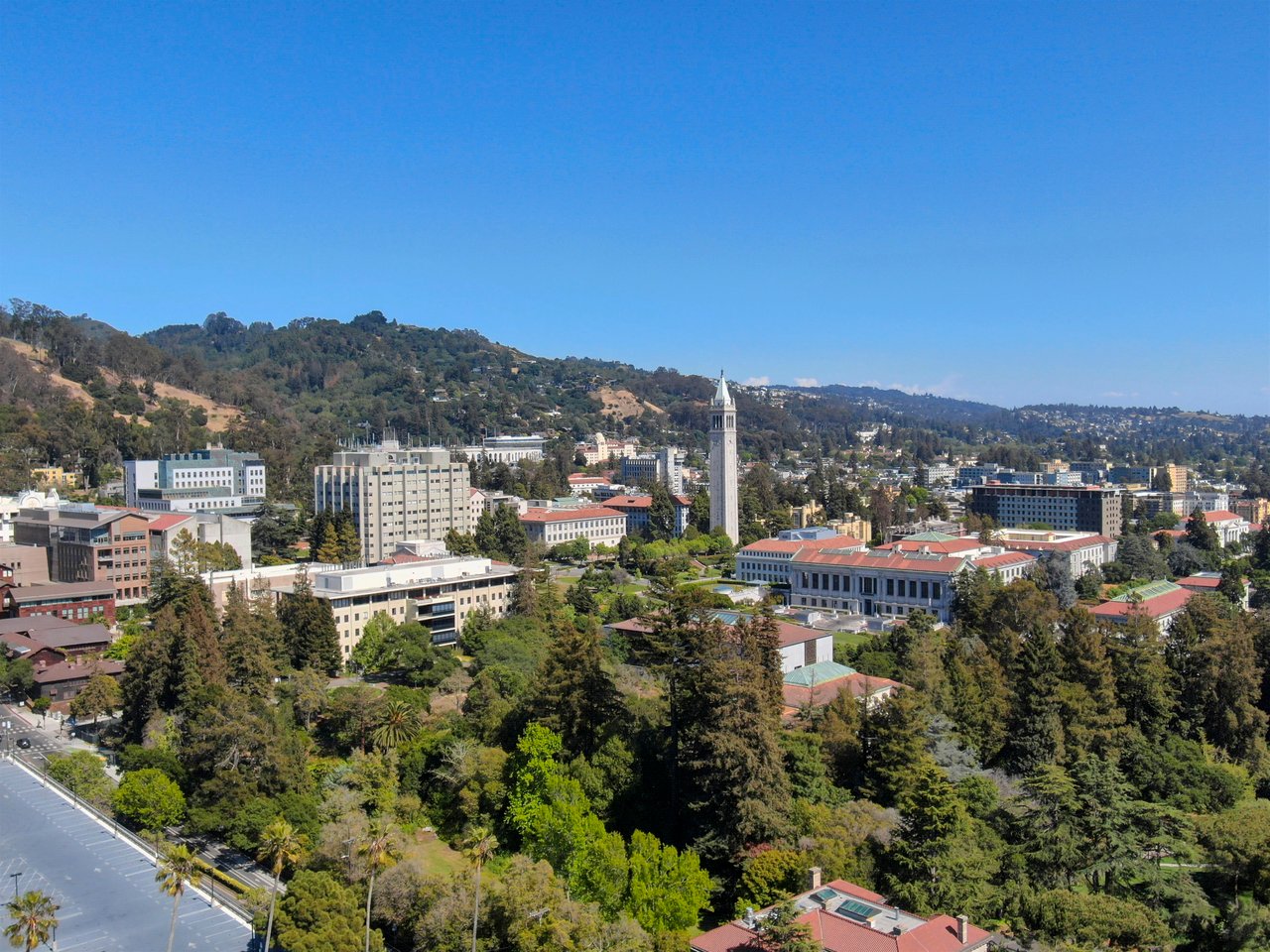
Local insights
Beyond the Address: What Makes Berkeley Special


Tracy understands that whether buying or selling a home or an investment property, the decision is an important one. She helps clients invest in their real estate dreams by putting their interests first. Work with Tracy today!