Everyday Living In Berkeley’s Most Beloved Areas
June 11, 2026
June 11, 2026
If you have ever wondered why Berkeley feels so different from one block to the next, you are not imagining it. Daily life here is shaped less by one city center and more by a collection of distinct districts, each with its own pace, streetscape, and rhythm. If you are trying to picture what everyday living might actually feel like, this guide will help you understand the areas people return to again and again. Let’s dive in.
Berkeley is best understood as a city of neighborhoods and commercial corridors rather than one uniform place. The city and local district organizations support neighborhood shopping areas through events, marketing, beautification, and efforts that improve walkability, cleanliness, and safety.
That matters when you are choosing where to live. In Berkeley, your experience can shift quickly depending on how close you are to a village-style retail street, a transit hub, the waterfront, or a quieter residential pocket. A few blocks can make a real difference in how your day-to-day life feels.
Downtown Berkeley has one of the city’s busiest daily rhythms. It is the main arts-and-dining center, with a dense mix of restaurants, shops, lodging, and cultural venues that keep the area active throughout the day and into the evening.
This part of Berkeley also puts you close to well-known destinations like BAMPFA, Berkeley Rep, Aurora Theatre Company, the California Jazz Conservatory, Freight & Salvage, and the UC Theatre. If you enjoy being near performances, dining options, and a steady flow of activity, downtown offers that city-energy feel.
Telegraph Avenue carries a different but equally lively identity. It is tied closely to the university edge and Berkeley’s historic counter-culture legacy, with a retail scene and streetscape that feel energetic, layered, and unmistakably local.
If you live near Downtown Berkeley or Telegraph, everyday errands can feel more spontaneous. You may be able to grab coffee, meet friends for dinner, catch a show, and use transit without planning your whole day around a car.
This is also one of the strongest areas for car-light living. The Downtown Berkeley BART station sits on Shattuck Avenue near UC Berkeley and many shops, restaurants, and theaters, and it includes valet bike parking, though it does not have on-site parking.
Some of Berkeley’s most beloved areas are the ones that feel easy, walkable, and deeply woven into daily routines. Elmwood, North Shattuck, Solano Avenue, and Fourth Street each offer that kind of village-scale lifestyle, but with different personalities.
Elmwood is Berkeley’s oldest commercial district and has a retro, neighborhood-scale feel. Sidewalk shopping and dining, a classic movie theater, and tree-lined cross streets give it a comfortable rhythm that many buyers picture when they think of classic Berkeley living.
North Shattuck is one of the city’s signature food corridors. It is closely associated with landmark Berkeley names like Chez Panisse and the original Peet’s Coffee, which helps explain why the area feels so rooted in local food culture.
Solano Avenue has a relaxed local shopping-street feel, with restaurants, a community atmosphere, and the annual Solano Stroll. Fourth Street is also highly walkable, but it leans more design-forward, with leafy sidewalks, artisan retail, and dining that give it a polished yet approachable feel.
These districts make everyday life feel convenient without feeling rushed. They are some of the clearest examples of Berkeley’s walk out for coffee, dinner, and errands lifestyle.
For many buyers, that is the real appeal. You are not just choosing a home. You are choosing whether your weeknight dinner, morning coffee run, or quick errand can happen on foot in a place that feels connected and easy to return to.
If you are drawn to a calmer setting, the hills and north side often stand out. These areas feel less retail-driven and more shaped by topography, views, and residential streets that step away from the city’s busier corridors.
City parks in Northbrae and the Berkeley Hills, including Cragmont Rock Park, Grotto Rock Park, Great Stoneface Park, Dorothy Bolte Park, and Glendale La Loma Park, reflect that hillside character. Their features emphasize slopes, terraces, rock outcrops, and scenic outlooks, which suggests a more view-oriented daily experience.
Living in these areas may mean a quieter home base and a stronger connection to open space. Instead of stepping out to a dense retail corridor, your routine may center more on neighborhood walks, hillside parks, and a little more separation from the city’s busiest streets.
This part of Berkeley also highlights how block-specific the city can be. One street may feel tucked away and residential, while another offers quicker access to shops or commuter routes just a short distance away.
Not every beloved Berkeley area fits neatly into the categories of urban core or quiet hillside. The Lorin District, Gilman area, and stretches along University Avenue show another side of everyday life, one that feels creative, transitional, and practical.
The Lorin District is one of Berkeley’s more diverse and arts-oriented commercial areas. It includes theater, specialty retail, and dining that can feel a little more under the radar than the city’s most talked-about corridors.
The Gilman area in West Berkeley has evolved from a former industrial strip into a zone with urban wineries, breweries, artisan food, and restaurants. It tends to feel lower-key and creative, with a different rhythm than the more traditional neighborhood shopping streets.
University Avenue functions differently from all of them. As Berkeley’s main east-west artery, it connects the Marina to the western edge of UC Berkeley’s campus, giving the west side a more practical, through-route feel.
In Berkeley, outdoor life is not just a weekend extra. The city’s Parks, Recreation & Waterfront department maintains parks, playgrounds, pools, community centers, waterfront facilities, and recreation programs throughout the year, which makes the public realm part of everyday living.
That can shape how you choose an area. Some buyers want to be near lively retail streets, while others care just as much about quick access to open space, walking paths, and recreation.
The Berkeley Waterfront gives the city a more open, outdoorsy edge. César Chávez Park is a 90-acre waterfront park with a 1.25-mile accessible loop, Bay Trail access, open fields, picnic areas, a dog area, and broad views of the Bay, bridges, Alcatraz, and Angel Island.
Nearby amenities include biking and walking paths, boat access, a shoreline beach, and recreation areas. If you spend your free time outside, the west edge of Berkeley can feel very different from the denser central districts.
The Shorebird Park Nature Center adds another layer to that experience. Its hands-on science programming and beach-cleanup activities show that Berkeley’s outdoor life often includes community-based public programming, not just scenery.
Just over the hill, Tilden Regional Park expands Berkeley’s outdoor lifestyle even more. It offers Lake Anza, the Botanic Garden, the Merry-Go-Round, the Steam Train, hiking and biking trails, picnic areas, and wide views.
That range helps explain why Berkeley can feel urban and park-rich at the same time. You can live near restaurants, transit, and culture while still having meaningful access to large-scale outdoor spaces.
Transit and mobility are a big part of how different Berkeley areas function day to day. Berkeley’s backbone includes BART and AC Transit, with Downtown Berkeley and North Berkeley offering especially useful access points depending on your routine.
The Downtown Berkeley station is centrally located and close to the university and major attractions. North Berkeley Station connects to the Ohlone Greenway, a pedestrian and bicycle path, while both Downtown Berkeley and Ashby stations are served by AC Transit.
For buyers hoping to drive less, downtown and the university-adjacent areas usually offer the most transit-oriented feel. North Berkeley adds strong bike and path access, while places like Elmwood, Solano, North Shattuck, and Fourth Street often support a walkable errand-based lifestyle.
In Berkeley, broad labels only tell part of the story. The more useful question is often how a specific home sits in relation to a commercial corridor, a transit stop, a park, or a quieter residential street.
That is where local guidance matters. A home can technically be in one area but live very differently depending on its micro-location, street pattern, and daily access to the places you use most.
Across Berkeley’s most beloved areas, a few themes come up again and again. People are often drawn to a mix of walkability, character, outdoor access, and the sense that daily life can be both practical and interesting.
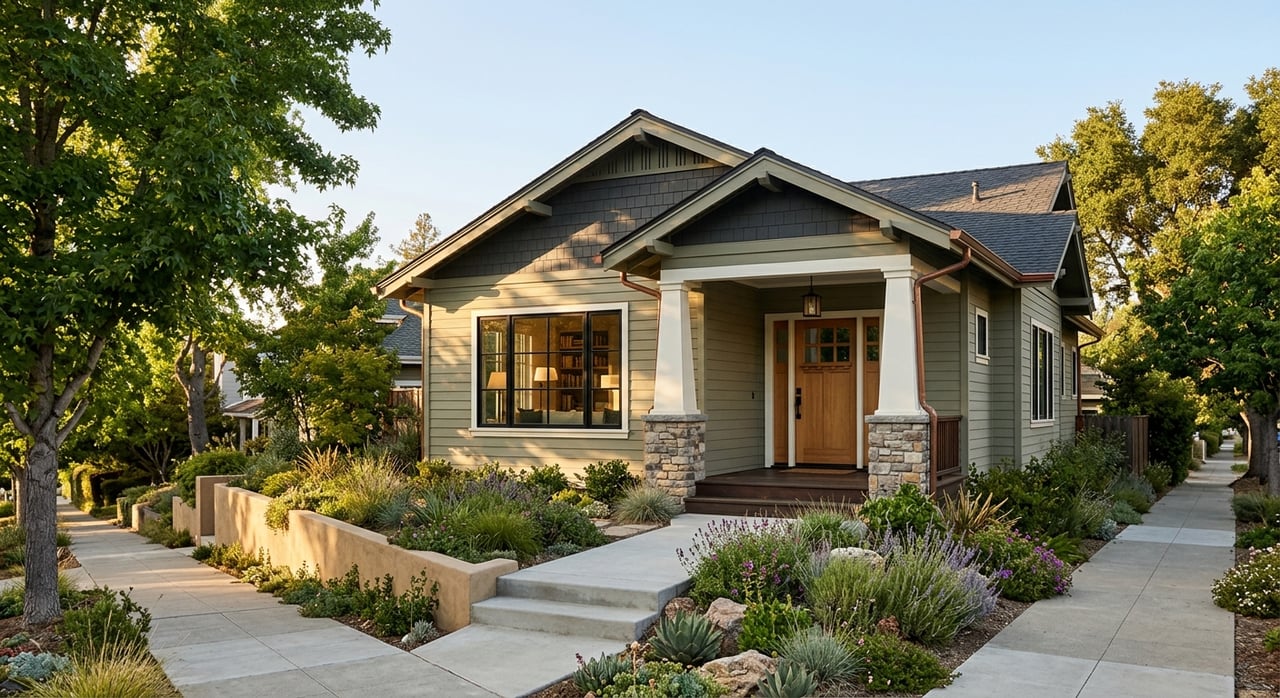
Berkeley also has a strong visual identity, with varied architecture, historic buildings, and older housing stock that make many streets feel established and memorable. The city’s neighborhood culture appears active at the street level too, supported by signs of local stewardship like traffic circles and city guidance that encourages neighbors to connect and organize.
If you are trying to find the right fit, it helps to think less about the city as a whole and more about your preferred rhythm. Some areas give you arts, transit, and energy. Others offer village-style convenience, waterfront openness, or a more tucked-away hillside feel.
Whether you are buying your first Berkeley condo, searching for a home with more space, or preparing to sell in a neighborhood where block-by-block nuance matters, local context can make the decision much clearer. If you want thoughtful, neighborhood-level guidance tailored to your goals, connect with ggsir.com.
Stay up to date on the latest real estate trends.
Tracy understands that whether buying or selling a home or an investment property, the decision is an important one. She helps clients invest in their real estate dreams by putting their interests first. Work with Tracy today!